Understanding Today's Lunar Phase: A Comprehensive Guide
Intro
The study of lunar phases has intrigued humanity for centuries. This practical guide seeks to illuminate the relevance of the current lunar phase and its impact on daily life. The moon's cycles influence not only natural phenomena but also human behavior and emotional states. Understanding where the moon is in its cycle can provide valuable insights into personal growth and decision-making processes. In the sections that follow, we will delve into various aspects of lunar cycles, focusing on how astrology enthusiasts can effectively harness this knowledge for self-improvement.
Zodiac Profiles
Understanding the lunar phases is closely related to the profiles of zodiac signs. Knowing the traits and characteristics of each sign allows individuals to reflect on how different lunar phases can affect their behavior.
Overview of Each Sign
Each of the twelve zodiac signs has its unique attributes. The signs are divided into four elements: Fire, Earth, Air, and Water. Each element resonates differently with the lunar phases, affecting emotions and actions. For instance:
- Aries (Fire): Ambitious and passionate, they may feel energized during the new moon.
- Taurus (Earth): Grounded and stable, they find comfort in the full moon's nurturing presence.
- Gemini (Air): Social and communicative, they may experience heightened creativity during the waxing moon.
- Cancer (Water): Intuitive and emotional, they are greatly influenced by the lunar cycles, often experiencing intense feelings during the full moon.
Personality Traits
While zodiac profiles give a general idea of traits, the lunar phase can enhance or diminish these qualities. For example, during a waning moon, individuals may feel more reflective.
- Fire Signs: Often impulsive, they might show restraint as they digest experiences during a waning moon.
- Earth Signs: Practical and reliable, they can harness the introspection of the dark moon for planning.
- Air Signs: Adaptable and curious, they tend to thrive in the energy of a full moon, fostering social connections.
- Water Signs: Deeply emotional, they may feel overwhelming feelings during specific lunar phases, which can lead to personal breakthroughs.
Strengths and Weaknesses
Every sign has its strengths and weaknesses. A new moon's energy may amplify aspirations while a full moon could bring up weaknesses.
- Strengths: Passion for life, creativity, and resilience can be magnified during certain moon phases.
- Weaknesses: Conversely, insecurities and emotional turbulence might surface, pushing individuals to confront personal challenges.
In understanding your zodiac profile in relation to the lunar phases, you give yourself a clearer map for personal navigation.
Compatibility Insights
Understanding compatibility through the lens of lunar phases can enhance personal relationships, whether they are romantic, platonic, or professional.
Love and Relationships
Moon phases can influence romantic dynamics. A new moon can signal new beginnings in love, while a full moon can bring resolutions or closure. Awareness of these dynamics enriches relational experiences.
Friendship Compatibility
Friendships can also benefit from lunar insights. Some signs may resonate better together when the moon is in a specific phase. For instance, water signs may connect deeply during a full moon, fostering stronger bonds.
Workplace Dynamics
In the workplace, understanding how lunar energy affects mood and productivity can enhance team dynamics. Planning projects around favorable lunar phases may lead to improved collaboration and creativity.
Astrological Events
Astrological events shape the context of the moon's influence. Knowing these events enhances our understanding of lunar cycles.
Monthly/Weekly Horoscope Breakdown
Keeping up with horoscopes can shed light on how to navigate the lunar phases effectively. The insights shared can help individuals make informed decisions during critical lunar moments.
Notable Celestial Events
Occasionally, celestial events accompany lunar phases, like eclipses or supermoons. These phenomena heighten the moon's influence and provide opportunities for significant change or insight.
How to Prepare for Astrological Shifts
Preparation is key. Having a personal lunar calendar or journal can assist in tracking emotions and behaviors influenced by the moon. Whether it involves setting intentions in a new moon or releasing burdens during a full moon, understanding these shifts will enhance your overall experience.
This guide aims to provide a comprehensive understanding of the current lunar phase. By integrating these insights into daily life, you can enrich your journey of self-discovery and personal growth.
Prelude to Lunar Phases
Lunar phases are not just an astronomical curiosity; they play a significant role in various aspects of life, particularly within the realms of astrology and holistic practices. The moon's cycle has captivated humanity for centuries, driving rituals, traditions, and even daily decisions. By understanding lunar phases, one can align with the natural rhythms of the cosmos. This guide aims to offer insights into the significance of lunar phases, along with their impact on individual growth and well-being.
What are Lunar Phases?
Lunar phases refer to the different appearances of the moon as observed from Earth throughout its 29.5-day cycle. This cycle begins with the New Moon, when the moon is not visible, and progresses through various phases, including the Waxing Crescent, First Quarter, Waxing Gibbous, Full Moon, Waning Gibbous, Last Quarter, and Waning Crescent. Each phase signifies a unique energy that can influence personal intentions, emotions, and actions.
The cycle is a result of the moon's orbit around Earth and how its illumination varies based on its positioning relative to the sun and Earth. Understanding these phases allows individuals to harness their energy in a more purposeful way, aiding in decision-making and personal reflection.
Importance of the Lunar Calendar
The lunar calendar, based on lunar phases, provides a different perspective on time compared to the solar calendar commonly used today. It reminds us of the time cycles in nature, allowing individuals to synchronize with seasonal changes and lunar rhythms. The use of a lunar calendar supports disciplines such as astrology, gardening, and personal development by providing valuable insights into the best times for various activities.
Understanding the months and phases laid out in a lunar calendar can enhance one’s ability to connect with nature and one's own cycles. It encourages awareness of timing, often revealing optimal moments for action or introspection.
"The moon’s phases serve as a guide to understanding the best times for planning and reflection."
By incorporating lunar calendars into daily life, individuals can gain a deeper understanding of their own cycles and how these relate to the larger universe. This knowledge influences not only personal growth but also how one interacts with the world at large.
Understanding Today's Date of the Moon
Understanding the current lunar phase is crucial for various reasons, especially for those interested in astrology. The position of the moon not only influences natural cycles but also has profound effects on human behavior and decision-making. Knowing today’s lunar phase allows individuals to align their actions with these natural rhythms. This alignment can enhance personal growth, improve emotional well-being, and even influence social interactions.
Calculating the Moon's Phase Today
To determine the moon's phase today, one needs to consider several astronomical aspects. The lunar cycle spans approximately 29.5 days, and during this time, the visible shape of the moon changes. To calculate the current phase, one can rely on specific dates or various tools. Many people use a simple formula based on the number of days since the last New Moon. Keep in mind that this method may not always be precise due to variations in the lunar cycle depending on the year. Checking reliable astronomical resources can provide the most accurate results.
Tools to Determine the Current Moon Phase
Having tools at hand can simplify the task of tracking the moon’s current phase. Different resources cater to various preferences. They help individuals not only understand the present moon phase but also engage with lunar cycles more deeply.
Moon phase apps
Moon phase apps exemplify a modern solution for tracking lunar phases. These applications are convenient and user-friendly, making it easy for anyone to find out the current phase of the moon. A key characteristic is their real-time updates, which keep users informed.
Some popular options include Phases of the Moon and Moon Phase Calendar. They feature notifications about significant phases, which can help an individual plan activities. However, a disadvantage could be the over-reliance on technology, potentially leading to missed opportunities for personal observation of the moon.
Lunar calendars
Lunar calendars are traditional tools used to keep track of the moon's phases throughout the year. They offer a broader view of lunar cycles, showing not only today’s phase but also the upcoming changes. A key advantage of lunar calendars is their visual representation of each phase, which can enhance understanding.
Many people find these calendars beneficial to plan personal activities or rituals. However, using a paper or digital calendar may require some adjustment to adhere to the lunar system, which differs from the Gregorian calendar most are accustomed to.
Online resources
Online resources like websites are essential for those seeking accurate updates about today's moon phase. Websites such as NASA's lunar page offer detailed data on moon phases, visibility, and even upcoming eclipses. These sites are beneficial due to their comprehensive and reliable information available at any time.
One major feature is the ability to compare today's phase with historical data, allowing an individual to understand patterns over time. A disadvantage might be that it can be overwhelming to navigate vast amounts of information without a clear focus.
Understanding the current lunar phase deeply enriches our lives by aligning our actions with the natural cycles that govern behavior, emotion, and decision-making.
Lunar Calendar and Its Structure
Understanding the structure of the lunar calendar is crucial for decoding the significance of lunar phases. The lunar calendar is not merely a scheduling tool; it serves as a lens through which one can comprehend the rhythms of nature. The cyclical nature of the moon has profound impacts on various personal and communal activities, from agriculture to spirituality. By familiarizing oneself with the lunar calendar, enthusiasts gain insight into timing that can enhance their lives.
Basic Structure of the Lunar Month
The lunar month is typically around 29.5 days, which explains why most lunar calendars do not align perfectly with the solar year. Each month begins with a New Moon, marking the start of a new cycle. This structure allows for diversification in activities over the month, at times when energy is believed to be high or low.
Key Components of a Lunar Month:
- New Moon: Starting point of the lunar cycle, a time for setting intentions.
- Waxing Phases: Includes the Waxing Crescent and First Quarter, which are favorable for growth activities.
- Full Moon: Represents peak energy, optimal for culmination and celebration.
- Waning Phases: Includes the Waning Gibbous, Last Quarter, and Waning Crescent, ideal for reflection and release.
The balance of light during these phases influences various natural processes, including tides, and culturally significant events.
Major Phases of the Moon
New Moon
The New Moon symbolizes new beginnings. This is the time to set intentions and make plans. The absence of light from the moon encourages introspection and a quietude that can lead to significant personal growth. It is often seen as a popular choice among those starting projects and seeking fresh starts. Another key characteristic of the New Moon is its influence on energy levels; many feel a tranquil resolve during this time, perfect for planning and envisioning futures.
Waxing Crescent
The Waxing Crescent phase follows the New Moon, as the moon begins to illuminate. This period is associated with hope and optimism. It encourages action and initiation of goals set during the New Moon. The waxing aspect brings forth motivation, providing an energy boost that supports new ventures. As the light increases, it symbolizes the unfolding of plans, making it an advantageous time for starting new projects or building upon ideas.
First Quarter
The First Quarter moon illustrates balance, a moment to assess progress. During this phase, resolve is crucial as the moon appears half-illuminated. It is a time for gaining clarity and making necessary adjustments to plans. The energy of this phase pushes for action, often coinciding with challenges that need to be addressed. Engaging in decision-making becomes paramount during this period, allowing one to harness the energy effectively.
Waning Gibbous
The Waning Gibbous phase marks a period of reflection. Following the Full Moon, it serves as an opportunity to assess what has been achieved. During this phase, energies shift toward release and gratitude, allowing individuals to review their journeys. It is a time to embrace what worked and consider what may need reevaluation. Understanding the ebbing light can assist in transitioning towards closure.
Full Moon
The Full Moon creates a potent energy, often heightening emotions and amplifying activities. It represents culmination, the fruition of efforts started in previous phases. Those engaged in spirituality often utilize this time for rituals or manifestations. The intensity of the Full Moon can bring clarity, allowing one to recognize their ambitions fully realized, while also confronting what must be let go.
Waning Crescent
The Waning Crescent phase is the final stage of the lunar cycle, characterized by its diminishing light. This part of the lunar month is marked by rest and recuperation. It is an ideal time for introspection, allowing for the release of unattainable goals. Activities during this phase often focus on winding down and preparing for the new month ahead. Those engaging in rituals or cleansing find this phase beneficial in allowing old energies to dissipate, paving the way for renewal.
Understanding the lunar calendar and its structure equips individuals to navigate life’s rhythms. Utilizing lunar insights can lead to profound personal and spiritual growth.
Astrological Significance of the Moon
The moon plays a vital role in astrology, serving as a celestial body that influences human behavior and emotional states. Many astrology enthusiasts believe that the moon phases impact not only personal experiences but also broader life events. Recognizing the moon's pattern can enrich one's understanding of their emotional landscape and decision-making processes. Hence, this section explores the moon's astrological significance by delving into its multifaceted role in astrology and its effects on behavior.
The Moon's Role in Astrology
In astrology, the moon is more than just a satellite of Earth. It embodies our innermost feelings, instincts, and subconscious reactions. Each lunar phase corresponds to different emotional and psychological states. This aspect makes the moon essential for personal insight and growth. Astrologers interpret the moon's position in various signs to gain clarity about individual personalities and life circumstances.
For example, the new moon is associated with new beginnings and intentions, making it a powerful time for setting goals. In contrast, the full moon is often viewed as a time of culmination and realization, where individuals may experience heightened emotions and reflections on their goals and dreams. The moon's continual movement through the zodiac signs also influences individual experiences, calling for introspection and awareness.
Effects of Different Moon Phases on Behavior
The effects of the moon phases on behavior are nuanced and far-reaching. These phases can affect emotional states, decision-making processes, and social interactions. Understanding these dynamics can enrich our lives and enhance personal growth.
Emotional states
The emotional states associated with lunar cycles deserve careful attention. For many, emotions can shift dramatically with the changing phases of the moon.
- Key Characteristic: One primary characteristic is the fluctuation of moods. Certain moon phases can amplify feelings of joy, sadness, or anxiety.
- Benefit: This aspect helps individuals recognize the root of their emotions, whether they stem from external factors or internal reflections.
- Unique Feature: The unique feature of emotional states influenced by the moon is that they serve as volatile indicators of mental health.
- Advantage: An advantage is the ability to track these changes and better understand one's emotional responses over time. This process can lead to emotional maturity and stability.
Decision-making processes
Lunar phases also significantly impact decision-making. Different phases can influence clarity and intuition in choices made.
- Key Characteristic: A notable characteristic is the tendency to re-evaluate decisions during certain moon phases, notably the full moon.
- Benefit: This tendency allows for reflection and can lead to more informed choices.
- Unique Feature: The unique aspect is how various phases can align with personal cycles of planning or spontaneity.
- Advantage: Such alignment can maximize the likelihood of favorable outcomes, making it a valuable practice for anyone interested in astrology.
Social interactions
Lastly, the social interactions influenced by the moon are significant. Relationship dynamics can change with the moon's phases.
- Key Characteristic: The energy of the moon can elevate or dampen social interactions. Some phases might lead to increased communication, while others may provoke withdrawal or contemplation.
- Benefit: Understanding this aspect aids individuals in navigating social situations effectively.
- Unique Feature: Notably, the moon can impact collective emotional states during significant events, such as gatherings or celebrations.
- Advantage: Recognizing these shifts can foster better relationships by helping individuals tailor their contributions to social settings.
Understanding the astrological significance of the moon can open doors to deeper awareness and insight into personal and collective experiences. Embracing these lunar insights encourages informed decisions and enriched emotional regulation.
Practical Applications of Moon Knowledge
Understanding the phases of the Moon offers tangible benefits beyond simple observation. Engaging with lunar cycles allows individuals to align their activities with natural rhythms. This practice can enhance personal effectiveness and emotional well-being. Those who appreciate astrology often find deeper layers of meaning by incorporating lunar insights into their daily decisions and actions.
Using Lunar Phases for Personal Growth
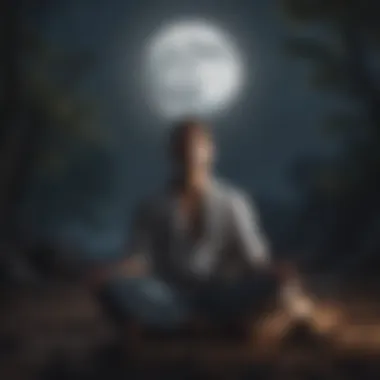
Utilizing lunar phases can serve as a profound method for personal growth. Each phase presents a unique opportunity for reflection and action. For instance, the New Moon symbolizes new beginnings. It is an ideal time for setting intentions and initiating projects. Conversely, the Full Moon represents culmination and release. Engaging with these phases supports individuals in recognizing their patterns and goals.
Incorporating moon knowledge into personal habits can lead to significant emotional clarity. By acknowledging one’s feelings during specific lunar phases, people can better understand their own emotional triggers. For example, some might notice heightened emotions during the Waning Moon, prompting introspection or even a call for closure in various aspects of life.
Moon and Gardening: Timing Planting and Harvesting
For those inclined towards gardening, the Moon serves as a natural guide for planning activities. Here, the relationship between lunar cycles and plant growth can offer exceptional results. Specific phases can influence everything from seed germination to harvesting.
During the Waxing Moon, the energy boosts growth, making this a favorable time for planting. Seeds tend to thrive better when sown during this phase. On the other hand, the Waning Moon is ideal for tasks like pruning and harvesting, as this period encourages a plant’s energy to draw inward.
Key guidelines for lunar gardening include:
- Plant above-ground crops during the Waxing Moon.
- Choose root crops for the Waning Moon.
- Consider moon water or water charged under specific phases for improved plant health.
By integrating these practices, gardeners can synchronize their activities with lunar energy for a more fruitful yield.
Lunar Influence on Rituals and Manifestation
The lunar cycle can significantly impact rituals and manifestation practices. Many rely on this celestial rhythm to amplify intentions and spiritual work. Aligning the timing of rituals with specific moon phases can enhance potency and outcomes.
- The New Moon is a powerful phase for setting intentions and starting fresh.
- The Waxing Gibbous is suitable for focusing energy towards those intentions, building momentum.
- The Full Moon facilitates reflection and gratitude, making it an excellent time for releasing what no longer serves one’s growth.
- The Waning Crescent encourages closure and is ideal for letting go.
Engaging with the Moon's cycles provides a deeper connection to the universe, aiding in manifestation efforts.
By consciously aligning one’s rituals with lunar phases, individuals may experience heightened energies and better focus on their goals. This practice bridges the gap between the earthly and the celestial, allowing for a more holistic approach to spiritual work.
Common Misconceptions About the Moon
Understanding the misconceptions associated with the moon is essential to accurately appreciate its influence on human behavior and decision-making. Many people connect deeply with lunar phases, but misunderstandings can sometimes obscure their practical benefits. This section sheds light on common myths and clarifies the distinctions between astrology and astronomy, offering a clearer perspective on how the moon impacts various aspects of life.
The Myth of the 'Lunar Effect'
The concept of the 'lunar effect' suggests that the phases of the moon can influence human behavior. This idea often encompasses a range of beliefs, from increased crime rates around the full moon to heightened emotional states. However, empirical studies offer a mixed bag of results. Research frequently fails to establish a direct, causal relationship between lunar phases and specific human behaviors.
One critical factor to consider is cognitive bias. Many anecdotes circulate about unusual occurrences associated with the moon, reinforcing the belief in its power. Yet, confirmation bias may lead individuals to remember events that affirm their beliefs while ignoring those that do not. This prompts a valuable question: Is there a scientific basis for the lunar effect?
While some psychological studies indicate possible correlations, they often lack robust evidence. Therefore, it’s prudent to approach the topic with skepticism and not overemphasize these connections without substantial proof. Some factors, such as seasonal changes or societal events happening simultaneously, may account for perceived changes in behavior.
Astrology vs.
Astronomy: Distinctions
The distinction between astrology and astronomy sometimes contributes to confusion regarding moon phenomena. Astronomy is a natural science concerned with the study of celestial bodies, while astrology interprets the influence of celestial events on human affairs. It's important to acknowledge that these fields have fundamentally different foundations and methodologies.
- Astronomy: Focused on measurable data, astronomy studies the physical universe. It encompasses the analysis of planetary movements, star formations, and the physics governing celestial bodies. This science relies heavily on empirical evidence and objective methodologies.
- Astrology: Rooted in cultural beliefs, astrology looks at cosmic events to derive insights about personality traits and life events. Astrologers often use charts, horoscopes, and lunar phases to interpret influences rather than adhering to scientific methods.
This delineation is crucial for astrology enthusiasts who may seek guidance from lunar phases in their personal journeys. By understanding these distinctions, one can approach lunar knowledge with an informed perspective, appreciating the symbolic significance rather than conflating it with the empirical world of astronomy.
“The moon serves as a reminder of the intersection between our natural world and the human experience, fostering personal reflection and growth.”
Culmination
The conclusion of this article emphasizes the significance of understanding the current lunar phase. This knowledge not only informs personal decisions but also enriches the overall understanding of astrological practices. By grasping lunar phases, one can better align personal goals with the energy of the moon.
In essence, the lunar phase serves as a guide. It helps to navigate emotions, relationships, and intentions. Astrologically, being mindful of these phases assists individuals in strategic planning and personal growth.
Summary of Key Points
- Lunar phases influence human behavior: Each phase offers unique energy patterns that can affect emotions and decision-making.
- Calculation Methods: Understanding how to determine today's moon phase can empower users to make informed decisions.
- Practical Applications: From gardening to rituals, lunar insights can enhance everyday life.
- Distinguishing facts from misconceptions: Awareness of common myths helps in achieving a clearer understanding of lunar phenomena.
Remember that these insights can serve you as a practical guide in your daily life, encouraging a more harmonious existence in tune with nature's rhythms.
Encouragement for Continued Exploration
Astrology is a vast field that offers numerous avenues for exploration. Continued study of lunar phases can deepen your understanding of not only astrology but also your personal journey.
Engaging with these celestial influences can lead to more mindful living. Here are some suggestions for further exploration:
- Research More Lunar Phases: Understand the nuances of each phase and their specific effects on various aspects of life.
- Join Communities: Online platforms, such as Reddit or Facebook groups focused on astrology, provide valuable discussions and insights.
- Utilize Tools: Experiment with moon phase apps and calendars to track the lunar cycle closely. This practice can enhance your personal experience with the moon's energy.
In summary, the world of lunar phases and astrology holds significant potential for personal growth. Continue to engage with these insights and find your unique place in the cosmos.